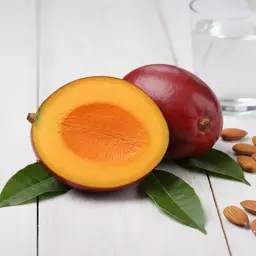
Soluble Fiber: The Core Mechanism
Acts as a sponge, absorbing excess fats and sugars. Key for digestive health, blood sugar regulation, and cholesterol reduction.
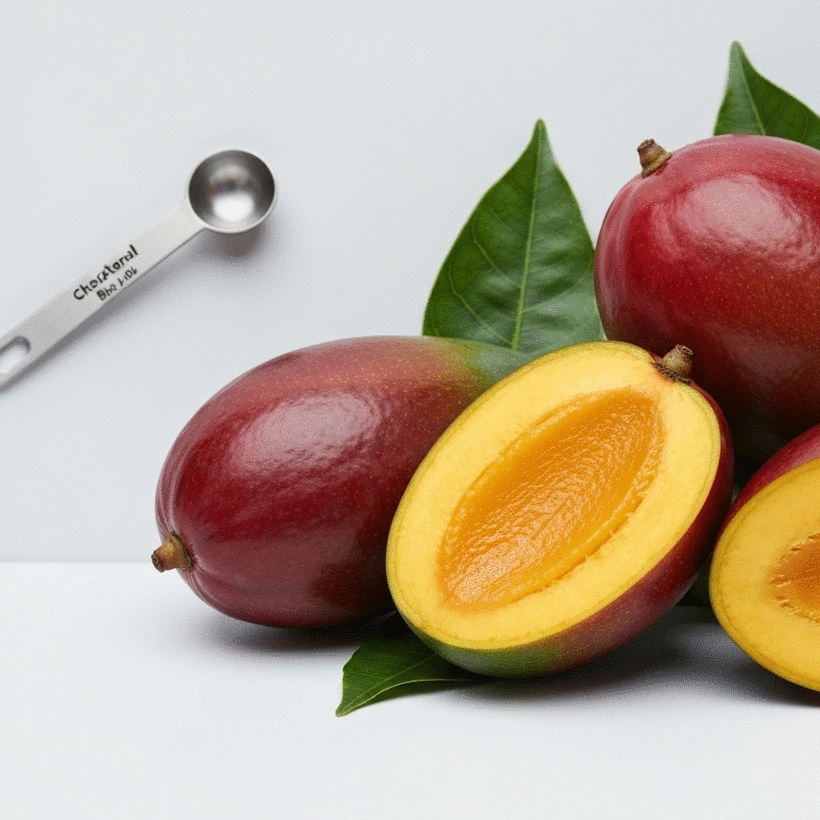
What if a fruit could hold the key to managing your cholesterol and blood sugar? African Mango, a tropical gem, not only tantalizes your taste buds but also offers remarkable health benefits that could transform your wellness journey. Let's explore the significant insights from the research surrounding this incredible fruit!
Discover how African Mango influences key health markers through its soluble fiber and antioxidant properties.
Acts as a sponge, absorbing excess fats and sugars. Key for digestive health, blood sugar regulation, and cholesterol reduction.
Combats oxidative stress and inflammation, protecting the heart and improving overall well-being.
At African Mango Wellness, we’re passionate about sharing the profound benefits of African Mango for health. Often referred to as Irvingia gabonensis, this remarkable fruit is more than just a delicious treat; it plays a vital role in managing cholesterol and blood sugar levels. Curious about how this tropical gem works? Let’s uncover the science behind it!
African Mango is a fruit native to West Africa, cherished for its health-promoting properties. The seeds of this fruit contain a blend of nutrients, including fiber, antioxidants, and essential fatty acids. These components work synergistically to support metabolic health and improve overall wellness. As you explore the potential of African Mango, you might wonder about the specific elements that contribute to its effectiveness. To learn more about its incredible properties, check out our guide on African Mango nutritional value.
One of the standout features of African Mango is its high content of soluble fiber. This type of fiber plays a crucial role in digestive health, helping to regulate blood sugar levels and lower cholesterol. When you incorporate African Mango into your diet, the soluble fiber acts as a sponge, absorbing excess fats and sugars, contributing to a healthier body. Isn’t it fascinating how nature provides such potent tools for our wellness journey?

Research indicates that African Mango can positively influence cholesterol levels, particularly in lowering LDL (bad cholesterol) while raising HDL (good cholesterol). This balance is essential for cardiovascular health, making African Mango a valuable addition to your wellness routine. Imagine feeling more energized and healthier just by including this fruit in your diet!
By improving your cholesterol levels, African Mango not only contributes to better heart health but also enhances your overall vitality. Have you ever thought about how diet impacts your energy levels? It’s time to explore the possibilities! For further reading on its cardiovascular advantages, delve into the African Mango for heart health article.
African Mango also shows promise in managing blood sugar levels. Studies have demonstrated its ability to decrease fasting glucose levels and improve insulin sensitivity. This is particularly beneficial for individuals looking to maintain stable energy levels throughout the day. Have you considered how fluctuating blood sugar can affect your mood and productivity?
The glycemic index (GI) of a food indicates how it affects blood sugar levels. African Mango has a low GI, meaning it doesn’t cause sharp spikes in blood sugar. This makes it an excellent choice for those managing their weight and looking for natural ways to optimize their health. Isn’t it empowering to know that you can make choices that support your health with delicious foods?
Finally, the antioxidants found in African Mango are essential for promoting cardiovascular health. They combat oxidative stress and inflammation, which are significant contributors to heart disease. Incorporating foods rich in antioxidants, like African Mango, can help protect your heart and improve your overall well-being. How exciting is it to think that something so tasty can be so beneficial?
In summary, African Mango is a powerhouse fruit that not only enhances our wellness journey but also provides substantial benefits for cholesterol and blood sugar management. As we continue to explore its potential, remember that small changes in your diet can lead to significant improvements in your health! Stay tuned for more insights as we dive deeper into the mechanisms behind African Mango’s remarkable health effects.
To maximize the benefits of African Mango in your diet, consider pairing it with other fiber-rich foods such as oats or chia seeds. This combination can enhance satiety and support better blood sugar control, making your meals more nutritious and satisfying!
As we delve deeper into the evidence surrounding African Mango, it's essential to synthesize what we've learned. From its potential effects on cholesterol and blood sugar levels to its broader implications for metabolic health, the insights are quite promising! Here, I'll highlight some of the most significant findings that have emerged from current research.
Understanding the role of African Mango in health management has opened new avenues for natural wellness solutions. The research demonstrates several key points:
These findings shed light on how incorporating African Mango into your dietary routine could be beneficial for both cholesterol and blood sugar management. But there's more to explore!
In examining the effects on cholesterol and blood sugar, it becomes clear that African Mango's unique properties play a crucial role. The soluble fiber not only helps bind cholesterol in the gut but may also slow glucose absorption, reducing spikes in blood sugar levels. This is particularly important for individuals looking to manage their weight and overall health.
Studies have shown that participants who incorporated African Mango into their diets often experienced significant improvements in their cholesterol and glucose readings. This natural remedy exemplifies how nature can serve as a powerful ally in our health journeys.
As we look to the future, the implications of these findings are noteworthy. Ongoing research will aim to explore the long-term effects of African Mango on metabolic health. Future studies could help solidify its role in preventing chronic diseases, especially those related to obesity and diabetes.
Furthermore, there’s a growing interest in understanding how different populations may respond to African Mango, which could guide personalized health approaches. I’m excited about what lies ahead in this field, and I encourage you to stay informed!
African Mango's potential in obesity management and weight loss strategies cannot be overstated. By enhancing metabolic health, it supports the body’s natural processes in shedding excess weight. The fiber content plays a dual role—helping regulate hunger and improving gut health.
Embracing African Mango as a part of your weight loss strategy could lead to healthier lifestyle choices. I often encourage my community members to experiment with recipes that include this nutritious fruit! For more strategies, check out African Mango for weight loss.
Having discussed the science, it's time to empower you with practical insights on integrating African Mango into your life. This fruit is more than just a supplement—it's a tool for enhancing your health!
Incorporating African Mango into your daily routine can be both easy and rewarding. Try adding it to smoothies, salads, or even as a dessert topping! Remember, it’s about finding what works for you and your lifestyle.
As I always say, small changes can lead to significant improvements over time. How do you plan to enjoy African Mango in your meals? Let’s continue to share ideas!
Before diving into any new health regimen, it’s essential to consult with healthcare professionals. They can provide personalized advice and ensure that African Mango complements your overall health strategy.
It’s always best to tailor your approach based on your individual needs and health history. Your journey to wellness should be guided by informed choices!
Exploring alternative medicine with African Mango offers exciting possibilities for holistic wellness. Integrating this fruit into your health practices can support not just physical wellness but also a balanced lifestyle. I invite you to learn more about how African Mango fits into other natural remedies and health practices.
Join me in celebrating the many ways African Mango can enhance our lives. Together, we can empower our health choices with nature’s gifts!
African Mango, also known as Irvingia gabonensis, is a fruit native to West Africa. Its seeds are valued for their health-promoting properties, including fiber, antioxidants, and essential fatty acids, which support metabolic health.
African Mango is rich in soluble fiber, which acts like a sponge to absorb excess fats in the digestive system. Research suggests it can help lower LDL (bad cholesterol) and increase HDL (good cholesterol), promoting a healthier lipid profile crucial for cardiovascular health.
Yes, studies show African Mango can help regulate blood sugar levels by decreasing fasting glucose and improving insulin sensitivity. Its low glycemic index also means it doesn't cause sharp spikes in blood sugar, making it beneficial for maintaining stable energy levels.
Soluble fiber is a key component of African Mango. It aids digestive health, helps regulate blood sugar by slowing glucose absorption, and contributes to cholesterol reduction by binding to fats and preventing their absorption.
Beyond cholesterol and blood sugar management, African Mango's antioxidant properties help combat oxidative stress and inflammation, supporting overall cardiovascular health. Its fiber content also promotes feelings of fullness, which can aid in weight management.
Here is a quick recap of the important points discussed in the article:

Kwame Asante is a wellness enthusiast and health advocate with a passion for natural remedies and holistic living. With years of research and firsthand experience, he aims to empower individuals with knowledge about the benefits of African Mango and its role in enhancing overall health. Kwame believes in the power of nature to support wellness and is dedicated to sharing insights that inspire balanced lifestyles.