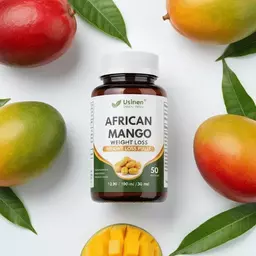
Blood Sugar Regulation
- ✓ Supports insulin sensitivity
- ✓ Helps regulate glucose levels
- ✓ Reduces post-meal spikes
*Key for stable energy
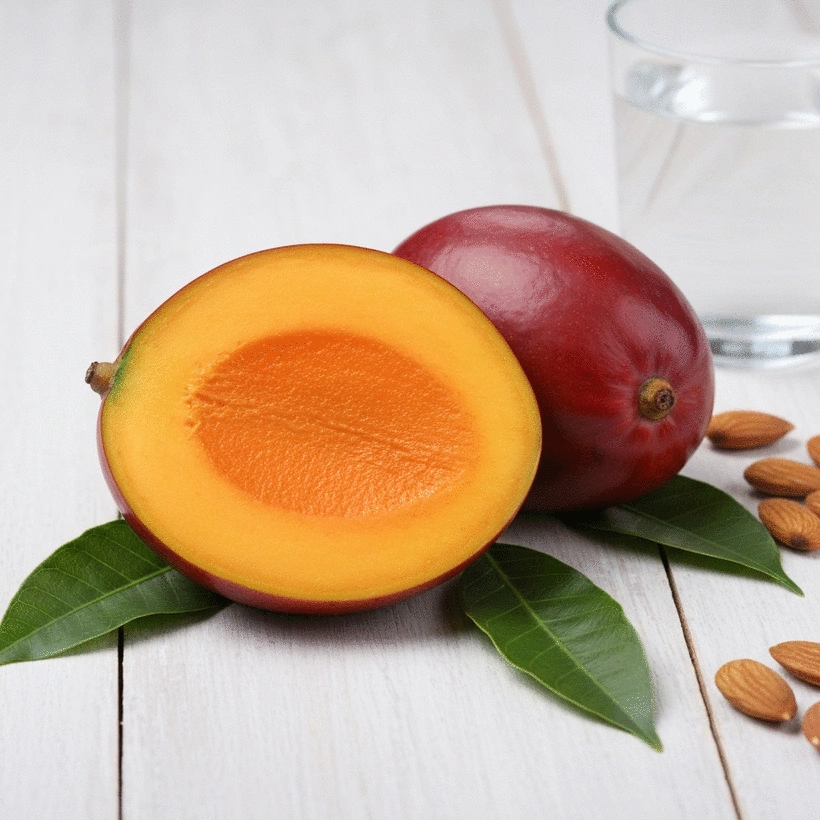
As we delve into the intriguing world of African Mango, it's essential to recognize its potential as a game-changer in blood sugar management. Could a single fruit really hold the key to better health? Let’s explore the vital insights that this unique superfood offers!
The visual below illustrates key areas where African Mango has shown efficacy in supporting blood sugar regulation and overall metabolic well-being, based on scientific findings and traditional use.
*Key for stable energy
*Aids in appetite control
*Enhances overall wellness
*Informed choices for health
As a wellness advocate, I've seen firsthand the incredible effects of African Mango on health. This unique fruit, scientifically known as Irvingia gabonensis, has gained attention for its potential to aid blood sugar regulation. But what makes it special, and how does it fit into our wellness journey? Let’s explore together!
African Mango, often hailed as a superfood, is native to West Africa and has been used traditionally for various health benefits. What sets it apart is its rich composition of fiber, antioxidants, and essential nutrients. These elements work synergistically to support metabolic health and provide a natural way to manage blood sugar levels.
Have you ever wondered how a single fruit can hold such power? The secret lies in its unique compounds, which help promote satiety and improve insulin sensitivity. This is why at African Mango Wellness, we encourage exploring its benefits not just as a supplement, but as a delightful addition to your diet! You can learn more about its incredible African Mango health benefits here.
Research indicates that African Mango can play a significant role in blood sugar management. It helps regulate glucose levels by enhancing the body's ability to process sugar effectively. I’ve personally experienced the difference it can make, especially for those looking to maintain stable energy levels and avoid the dreaded sugar crashes.
By incorporating African Mango into your wellness routine, you may find it easier to manage your blood sugar levels naturally. Why not try it in your next smoothie or salad?
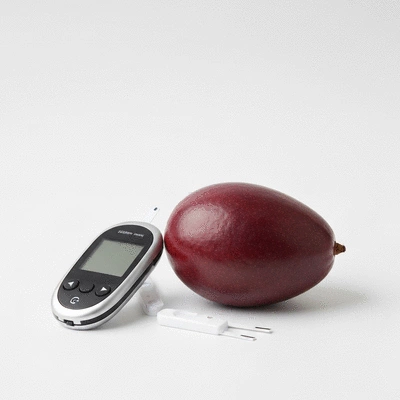
Insulin sensitivity is key to maintaining healthy blood sugar levels. Studies suggest that African Mango may enhance this sensitivity, making it easier for the body to utilize glucose for energy. Just imagine the benefits of feeling more balanced throughout your day!
As someone who believes in the power of natural remedies, I find it exciting how African Mango can empower our bodies to work more efficiently. By improving insulin sensitivity, we may not only support our blood sugar levels but also promote overall metabolic health. For more insights on how it impacts your body, check out our guide on African Mango and metabolism insights.
Glucose homeostasis refers to the body's ability to maintain stable blood sugar levels. African Mango has been shown to positively impact this process, particularly after meals. This means less fluctuation in blood sugar levels after eating, which is crucial for preventing energy dips.
If you’re looking to avoid postprandial fatigue, consider adding African Mango to your meals. It’s a delightful way to support your body while enjoying nature's bounty!
Glycemic control is a vital aspect of diabetes management, and African Mango can play a supportive role here. By helping regulate blood sugar levels, this fruit assists those with diabetes in maintaining a balanced lifestyle. It’s not just about managing symptoms; it’s about reclaiming your health and vitality!
For me, it has been inspiring to see how simple dietary changes can lead to significant improvements. African Mango is an excellent example of how nature can provide us with tools for better health.
One of the remarkable benefits of African Mango is its ability to promote satiety, which can be crucial for weight management. When we feel full, we’re less likely to reach for unhealthy snacks that can spike our blood sugar levels. This fruit can help bridge the gap between enjoying delicious food and maintaining a healthy weight.
In my experience, incorporating African Mango into meals has made a noticeable difference in my cravings and overall appetite. Have you tried it yet?
The waist-to-hip ratio is a critical measure of health, reflecting body fat distribution and associated risks. By supporting weight management, African Mango may indirectly aid in maintaining a healthy waist-to-hip ratio. This is crucial as it can reduce risks related to cardiovascular health and other metabolic conditions.
At African Mango Wellness, I often emphasize the importance of understanding these metrics. It’s not just about weight; it’s about how we carry it and the impact on our overall well-being.
African Mango’s appetite-suppressing properties can act as a powerful ally for those looking to lose weight. By reducing hunger pangs, it may help you stick to healthier eating patterns and stabilize blood sugar levels. Think of it as a gentle nudge towards making better choices! For more information on using African Mango to help with weight loss, explore African Mango for weight loss.
When you combine this with the natural sweetness of African Mango, it’s easy to see how it can enhance your meals and your health journey!
A healthy gut is fundamental to overall wellness, and African Mango is known to support gut health by promoting microbiota diversity. A diverse gut microbiome can aid in digestion and play a role in regulating blood sugar levels.
Isn’t it fascinating how our gut health links to our metabolic health? I encourage everyone to explore this connection as part of their wellness journey!
Research suggests that African Mango may also have a positive impact on systolic blood pressure. By supporting cardiovascular health, it contributes to a comprehensive approach to managing blood sugar and overall wellness. This is especially important for those with diabetes, as heart health is closely linked to blood sugar control.
As a health advocate, I always highlight the importance of considering our heart health in conjunction with managing blood sugar levels. After all, they work together to create a healthier you!
The dietary fiber and antioxidants found in African Mango are vital for supporting cardiovascular health. They help reduce inflammation and improve cholesterol levels, making it a comprehensive choice for anyone looking to enhance their wellness.
When we think about our diet, focusing on nourishing foods like African Mango can lead to powerful changes. Let’s embrace these natural wonders together!
Numerous studies have highlighted the efficacy of African Mango in managing blood sugar levels. From clinical trials to observational studies, the results consistently show a positive trend in glycemic control among participants who include this fruit in their diets.
It’s exciting to see science backing what many of us have known intuitively: that nature provides us with effective solutions for health!

While both African Mango and common mango are delicious, they differ significantly in their health benefits. African Mango is particularly noted for its blood sugar regulation properties, whereas common mango is often higher in sugars. Understanding these differences can help you make informed choices in your diet!
As a wellness advocate, I love finding balance in my diet. Enjoying both mango varieties can add flavor while still supporting health goals!
Clinical trials have provided valuable insights into the supplementation of African Mango. Participants often report improvements in their blood sugar levels, weight management, and overall metabolic health. These findings are a testament to the potential of African Mango as a supportive element in our wellness toolkit.
Isn’t it inspiring to think that a simple fruit can have such a profound impact? Let's continue to explore its benefits together!
When incorporating African Mango into your regimen, it’s essential to consider the recommended dosages. Generally, doses range from 150 mg to 300 mg per day. However, it's always best to start small and consult with a healthcare professional, especially if you have existing health conditions.
Like all supplements, it's important to be aware of potential side effects, which are usually mild but can include gastrointestinal discomfort. Listening to your body is key!
African Mango may interact with certain medications, particularly those related to diabetes and blood pressure. It’s crucial to discuss with your doctor if you’re taking any medications to avoid any adverse effects.
As I often remind my community, knowledge is power when it comes to health. Be proactive in understanding how supplements may affect you!
Finally, managing blood sugar is vital for those with diabetes, as both hypoglycemia and hyperglycemia can pose serious risks. African Mango has the potential to help stabilize blood sugar, but it’s essential to monitor levels regularly. This way, you can catch any fluctuations early on!
By staying informed and proactive, you can harness the benefits of African Mango while keeping your health on track. Let’s embrace this journey together!
How have you incorporated African Mango into your diet? Share your favorite recipes or experiences below:
African Mango, or Irvingia gabonensis, is a fruit native to West Africa. Its rich fiber and antioxidant content help enhance insulin sensitivity and regulate glucose levels, which can lead to better blood sugar management and reduced post-meal spikes.
Yes, African Mango can aid in weight management by promoting satiety and reducing cravings. Its fiber content helps you feel fuller for longer, which can support healthier eating habits and contribute to a balanced waist-to-hip ratio.
African Mango supports cardiometabolic health by promoting microbiota diversity in the gut, which is linked to better metabolic function. It may also positively impact systolic blood pressure and improve cholesterol levels due to its dietary fiber and antioxidants.
While both are mangos, African Mango is specifically noted for its distinct properties that support blood sugar regulation and metabolic health. Common mangos, while nutritious, are typically higher in sugar and do not offer the same specific benefits for glycemic control.
Recommended dosages for African Mango supplements generally range from 150 mg to 300 mg per day. It’s crucial to consult a healthcare professional before starting any new supplement, especially if you have existing health conditions or are taking other medications.
As we explore the incredible potential of African Mango for blood sugar management, it’s essential to consider how we can integrate this remarkable fruit into our daily routines. At African Mango Wellness, we believe in the power of practical applications and tasty options that make health improvement enjoyable!
So, let’s dive into some delicious ways to incorporate African Mango into your meals while also discussing its supplements and functional foods that can assist in achieving optimal blood sugar control.
When it comes to adding African Mango to your diet, the possibilities are endless! This versatile fruit can enhance a variety of dishes, making it easy and delightful to enjoy its benefits. Here are some ideas to get you started:
Experimenting with African Mango doesn’t have to be complicated! You can also consider high-quality supplements that provide the same benefits without the need for extra preparation.
Would you like to try some specific recipes? Here are a couple of my favorites:
These recipes not only taste great but also help support your blood sugar management journey!
Finding the right African Mango supplement can be a game-changer in your health journey. Here are a few tips to help you choose wisely:
By choosing the right supplement, you can enhance your metabolism and support your overall wellness goals.
In addition to African Mango, it's beneficial to incorporate other functional foods into your diet. These foods can work synergistically to help regulate blood sugar levels:
Combining African Mango with these foods can create a balanced plate that supports your health goals and enhances your blood sugar management.
Embarking on your journey towards better blood sugar management is an empowering experience! Here at African Mango Wellness, we encourage you to take meaningful steps towards incorporating African Mango and other healthful practices into your life.
Let's discuss some personalized strategies that can help you make the most of this wonderful fruit.
To successfully integrate African Mango into your lifestyle, consider these personalized strategies:
These actions can significantly enhance your experience and foster a sense of community along the way!
Hearing from others can be incredibly motivating! I often share testimonials from individuals who have experienced positive changes in their health after incorporating African Mango into their diets. Their stories highlight the real-life benefits, such as improved energy levels and better blood sugar control. If you have your own story to share, I would love to hear from you!
Finally, remember that incorporating African Mango is just one aspect of a holistic approach to health. Implementing lifestyle changes like regular exercise, staying hydrated, and prioritizing sleep are crucial for improving metabolism and overall health.
At African Mango Wellness, we're here to support you as you take these steps! When we combine the power of nature with healthy habits, we can create lasting changes that enhance our lives.
As we conclude this section, I hope you feel inspired to explore the benefits of African Mango in your own life. Not only can it support blood sugar management, but it also opens doors to a healthier, more vibrant existence!
Here is a quick recap of the important points discussed in the article:

Kwame Asante is a wellness enthusiast and health advocate with a passion for natural remedies and holistic living. With years of research and firsthand experience, he aims to empower individuals with knowledge about the benefits of African Mango and its role in enhancing overall health. Kwame believes in the power of nature to support wellness and is dedicated to sharing insights that inspire balanced lifestyles.