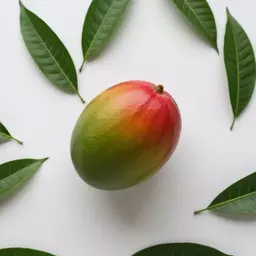
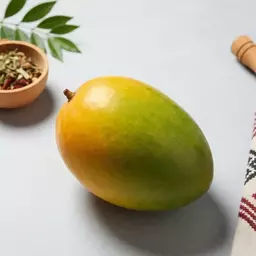
Origins & Traditional Use
Native to West Africa, used for generations in traditional remedies.

What if a single fruit could transform your approach to wellness? African Mango, a gem from West Africa, is more than just a tasty treat; it’s a powerhouse of health benefits that has captivated many on their journey to better living. As you explore the wonders of this fruit, consider how it could reshape your understanding of appetite management and weight control.
Discover how African Mango may aid in appetite control and metabolic support through its rich nutritional profile and traditional uses.
Native to West Africa, used for generations in traditional remedies.
Rich in soluble fiber, promoting fullness and aiding digestion.
Contains essential vitamins A & C, vital for immune function.
Antioxidants that combat oxidative stress in the body.
Fiber promotes a feeling of fullness, reducing hunger pangs.
May regulate leptin and adiponectin, crucial for appetite control.
Potential to improve metabolic rates, aiding weight management.
Ensure it's safe and suitable for your individual health needs.
Choose high-quality brands that meet safety standards.
Track your body's response and adjust usage as needed.
Have you ever heard of African Mango, or Irvingia gabonensis? This remarkable fruit hails from West Africa, where it has been cherished for centuries not just for its delicious taste but also for its incredible health benefits. Traditionally, African Mango has been used in various forms of natural medicine, aimed at promoting wellness and supporting weight management. As the founder of African Mango Wellness, I feel a deep connection to this fruit and its potential to enhance our health journeys. For more details on its historical use and benefits, check out our article on African Mango health benefits explored.
The African Mango tree produces a fruit that is rich in nutrients and has become a staple in many local diets. Beyond its culinary uses, this fruit has garnered attention in the wellness community for its ability to help with appetite suppression and weight loss. Have you ever wondered how something so simple could hold such power?
Let's dive a bit deeper into what makes African Mango unique. The fruit itself is packed with fiber, vitamins, and minerals, but it is primarily the extract from its seeds that has been studied for its health effects. The traditional use of African Mango includes its role in enhancing metabolism and supporting healthy weight management.

As I explore the benefits of African Mango, I often find myself reflecting on its historical significance and the wisdom of those who have used it for centuries. The more I learn, the more I realize the importance of connecting with nature in our pursuit of wellness.
Now, let’s get into the science behind appetite suppression. Research has shown that African Mango can have positive effects on weight loss, largely due to its high fiber content and its influence on satiety. Studies indicate that it may help regulate important hormones like leptin and adiponectin, which play crucial roles in appetite control and metabolism. For a deeper understanding of how these hormones are impacted, read our post on leptin and adiponectin in African Mango.
As I share this information, I can't help but feel excited about the possibilities that African Mango presents. It’s amazing to think that something so deeply rooted in nature can have such a profound impact on our health and well-being. If you’re exploring ways to manage your appetite and improve your wellness journey, African Mango might just be the natural ally you’ve been looking for!
Understanding the nutritional profile of African Mango is key to appreciating its health benefits. This fruit is not only delicious but also loaded with essential nutrients that contribute to overall wellness. Its fiber content supports digestive health, while its phytochemicals offer protective benefits.
As I reflect on the unique nutritional aspects of African Mango, I am reminded of the importance of incorporating natural foods into our diets. They not only nourish our bodies but also connect us to our roots. With each bite, we’re reminded of the rich history and culture that surrounds this incredible fruit.
Did you know? Incorporating African Mango into your diet can be as simple as adding the extract to smoothies or yogurt. This not only enhances flavors but also helps you feel fuller for longer, making it easier to manage your appetite throughout the day.
A1: African Mango, or Irvingia gabonensis, is a fruit native to West Africa. It has been used for centuries in traditional medicine and local diets for its health benefits, particularly in promoting wellness and supporting weight management.
A2: African Mango is rich in soluble fiber, which helps promote a feeling of fullness and reduces hunger pangs. It may also help regulate hormones like leptin and adiponectin, which are crucial for appetite control and metabolism.
A3: African Mango is packed with essential nutrients, including dietary fiber, vitamins A and C, and various phytochemicals. These contribute to digestive health, immune function, and provide antioxidant benefits.
A4: Yes, research suggests that African Mango can have positive effects on weight loss by aiding in appetite suppression, increasing satiety, and potentially enhancing metabolic rates. However, it should be part of a balanced diet and exercise routine.
A5: It is always recommended to consult a healthcare provider before adding any new supplement to your routine to ensure it is safe and suitable for your individual health needs. Also, research high-quality brands and monitor your body's response.
After exploring the multifaceted aspects of African Mango, it's clear that this remarkable fruit has potential benefits for those aiming to manage their weight. Research suggests that African Mango may aid in appetite suppression and promote weight loss, making it a subject worth considering in your health journey. However, its effectiveness can vary from person to person, and it's important to assess how it aligns with your specific health goals.
While the evidence supports its role in weight management, remember that African Mango should complement a well-rounded approach to health that includes balanced nutrition and regular exercise. Have you thought about how this fruit might fit into your daily routine?
Evaluating the overall findings, I believe African Mango can be a valuable addition to your weight loss strategy. Here are some points to consider:

That said, it's crucial to approach any supplement with a discerning mindset. Understanding your individual health needs is key. Have you consulted a healthcare professional about your weight management strategies?
Considering African Mango? I encourage you to proceed with caution while weighing its potential benefits. Here are a few steps to guide you:
Taking these steps can help you make informed decisions that align with your wellness journey. Remember, your health is a personal endeavor, and what works for one may not work for another!
Hearing from others can be inspiring! Here are a few testimonials from individuals who have incorporated African Mango into their weight management strategies:
These stories highlight the diverse experiences people have had with African Mango. It’s fascinating to see how this fruit impacts various individuals' journeys toward better health!
I invite you to share your experiences or questions regarding African Mango and appetite suppression. Engaging in conversation enriches our community, and who knows? Your insights might inspire someone else on their health journey!
Have you tried African Mango? What benefits or challenges have you encountered? Let’s connect and celebrate our wellness journeys together!
Here is a quick recap of the important points discussed in the article:

Kwame Asante is a wellness enthusiast and health advocate with a passion for natural remedies and holistic living. With years of research and firsthand experience, he aims to empower individuals with knowledge about the benefits of African Mango and its role in enhancing overall health. Kwame believes in the power of nature to support wellness and is dedicated to sharing insights that inspire balanced lifestyles.