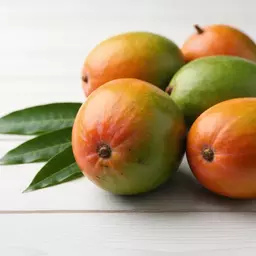
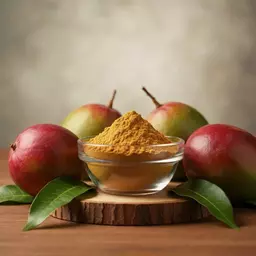
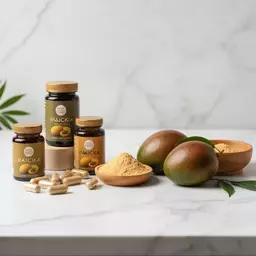
Nutrient Content
- • Rich in Vitamins & Minerals
- • Abundant Antioxidants
- • High Fiber Content
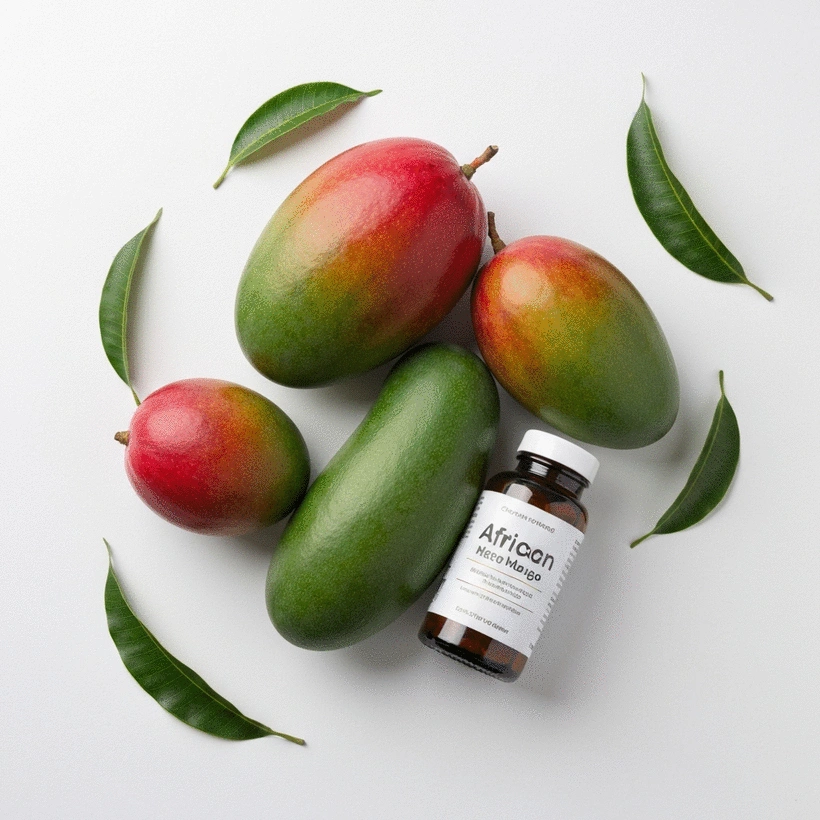
Curious about how a tropical fruit can transform your wellness journey? African Mango, with its rich heritage and numerous health benefits, is gaining attention as a natural remedy for enhancing overall wellness. Let’s dive into the key takeaways!
African Mango is celebrated for its unique properties that contribute to overall health. Below are the primary elements that make it a powerful natural remedy. Exploring the full spectrum of African Mango's health benefits can provide a deeper understanding of its potential.
Have you ever wondered about the origins and benefits of African Mango? This remarkable fruit, also known as Irvingia gabonensis, has been cherished for centuries in its native regions of West Africa. Traditionally, it has been used not only as a food source but also as a natural remedy to enhance overall wellness. It's fascinating to see how a fruit can bridge cultures and health practices!
At African Mango Wellness, I’m passionate about bringing the benefits of this fruit to a wider audience. The African Mango tree thrives in tropical climates, producing a delicious fruit that is packed with nutrients. It's this fruit that has gained attention for its potential health benefits, making it a popular choice among those seeking natural wellness solutions.
African Mango is a tropical fruit that belongs to the family of mangoes but has unique properties that set it apart. It’s primarily found in countries like Cameroon, Nigeria, and Ghana, where it has been a staple in local diets for generations. The seed of the fruit, often referred to as the African Mango extract, is where many of its health benefits are concentrated.
This fruit isn’t just a delicious treat; it embodies a wealth of health potential waiting to be discovered. Have you considered how incorporating African Mango into your diet could be a game-changer on your wellness journey? For more detailed insights, you can explore African Mango's nutritional value guide.

There’s a growing body of research highlighting the health benefits of African Mango extract. It’s not just about weight loss—this powerful fruit has a plethora of advantages to offer.
These benefits stem from the unique compounds found in the African Mango seed. By elevating your health with this natural remedy, you might find it easier to achieve your wellness goals. I invite you to explore how this fruit can fit into your daily routine!
Now, let’s delve into the science behind Irvingia gabonensis. Researchers have identified several active compounds in the fruit, which contribute to its impressive health benefits. These include fiber, antioxidants, and phytosterols, all working together to enhance your health.
This powerful combination of nutrients makes African Mango an excellent addition to any health regimen. Have you ever thought about how these natural compounds could support your body in achieving balance and vitality? The essence of wellness truly lies in nature’s offerings.
To maximize the benefits of African Mango, consider pairing it with a balanced diet rich in whole foods. Incorporating sources of protein, healthy fats, and ample fruits and vegetables can enhance your overall wellness journey. Did you know that combining African Mango with high-fiber foods can further support your metabolism? Experiment with smoothies or salads for a nutrient-packed meal!
When it comes to enhancing your wellness journey, understanding the role of African Mango is crucial. There’s so much information out there, and I want to help you sort through it. Keeping key takeaways in mind can make all the difference in how you incorporate this powerful fruit into your daily routine.
So, let’s break down the essentials! Here are the most important points you should remember about African Mango:
With these points in mind, you’re better equipped to make informed decisions about adding African Mango to your wellness regimen. It’s all about finding the best fit for your health journey!
Your health is your greatest asset, and making well-informed decisions is vital. Before starting any new supplement, especially African Mango, I encourage you to consult your doctor. They can provide personalized advice based on your unique health needs and goals. Remember, what works for one person may not be suitable for another!
Additionally, continue your research. Gather information from reliable sources, and don’t hesitate to reach out to professionals in the wellness space. Here are some steps you can take as you move forward:
By taking these proactive steps, you’re setting yourself up for success on your path to wellness. Remember, it's about blending knowledge with action, and every small step counts toward your health goals! For a deeper dive into available supplements, consider reading our African Mango Supplement Guide.
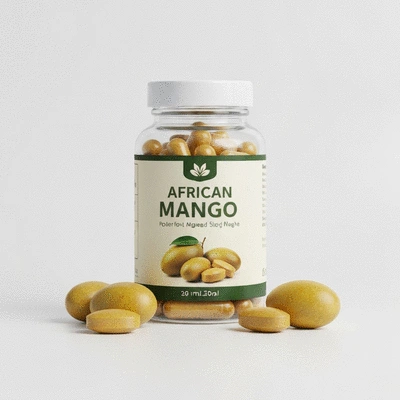
Here are some frequently asked questions about African Mango supplements to help you make informed decisions:
When it comes to weight loss, many users find that products containing pure extracts of Irvingia Gabonensis are most effective. Look for high-quality supplements that specifically mention this ingredient for optimal results. For more details on effective weight loss strategies, you can also check out African Mango for Weight Loss.
Always check the product label for certifications. Many reputable brands will clearly state if their supplements are vegan or gluten-free. Additionally, look for third-party testing seals to ensure transparency.
African Mango has unique properties that support metabolism and appetite control, which can set it apart from other weight loss supplements. That said, individual experiences may vary, so it’s essential to find what works best for you!
Incorporating African Mango into a balanced diet along with regular exercise is key to achieving weight loss goals. Other natural solutions may include increasing fiber intake, staying hydrated, and getting adequate sleep. Combined, these practices can create a holistic approach to health!
Here is a quick recap of the important points discussed in the article:

Kwame Asante is a wellness enthusiast and health advocate with a passion for natural remedies and holistic living. With years of research and firsthand experience, he aims to empower individuals with knowledge about the benefits of African Mango and its role in enhancing overall health. Kwame believes in the power of nature to support wellness and is dedicated to sharing insights that inspire balanced lifestyles.